Thirst is one of the body’s clearest signals that it needs more fluid, but it should not be the only one you depend on. During exercise, especially in hot or humid conditions, fluid loss through sweat can build up quickly. Waiting until you feel very thirsty may mean you are already somewhat dehydrated. Noticing the early warning signs can help you respond before dehydration begins to affect your energy, concentration, or physical performance. This guide explains common signs of dehydration, situations in which plain water may not fully replace what you lose, and where an isotonic sports drink may have a role during prolonged or demanding activity.
What Dehydration Really Means
Dehydration occurs when your body loses more fluid than you take in. Sweating, fever, vomiting, diarrhea, and some medications can all cause fluid loss. Water helps maintain normal body functions, including blood volume and temperature control. When you sweat, you also lose electrolytes such as sodium and potassium. These minerals support normal nerve and muscle function and help keep fluid levels balanced. Small amounts of fluid loss may leave you feeling thirsty or tired. As dehydration becomes more severe, it can affect concentration, energy, and physical performance. Restoring both fluids and electrolytes may be important after heavy exercise, prolonged heat exposure, or significant sweating.
Common Signs of Dehydration
Your body sends warning signals well before dehydration turns serious. Most of them are easy to miss because they look like ordinary tiredness after a hard training session. Watch for these early and moderate signs, and act while extra fluids and rest can still put things right:
-
Dark yellow urine, or passing less than usual (pale straw is the goal)
-
Thirst and a dry mouth
-
Headache or unusual tiredness
-
Dizziness or lightheadedness
-
Muscle cramps
-
A heart rate that stays high after you cool down
Signs of Severe Dehydration or Heat Illness That Need Urgent Medical Care
Severe dehydration is a medical emergency and requires prompt medical attention. Rest and fluids may not be enough to address serious fluid loss. If you or someone with you shows any of these signs, get emergency care right away:
-
Confusion or altered mental state
-
Fainting or loss of consciousness
-
Seizures
-
A rapid pulse
-
Hot, dry skin with no sweating
-
A fever of 103°F (39.4°C) or higher
-
Going many hours without urinating
When Water May Not Be Enough
For many people, plain water is sufficient during shorter, moderate-intensity workouts, particularly in comfortable conditions. During prolonged exercise, intense sessions, hot or humid weather, or periods of heavy sweating, replacing electrolytes and carbohydrates may also be useful. Sweat carries sodium and potassium out with it, so water alone restores volume without restoring those salts. Muscle cramps can sometimes be associated with electrolyte losses, although they can have other causes as well. At the same time, drinking excessive amounts of plain water can dilute the sodium level in the blood and, in severe cases, lead to hyponatremia.
One important distinction is that this guidance applies to fluid loss related to exercise and heat. Dehydration caused by vomiting or diarrhea is different and may require an oral rehydration solution (ORS). A doctor or pharmacist can recommend an appropriate ORS when needed.
What Is an Isotonic Sports Drink?
An isotonic sports drink has a concentration of carbohydrate and salts close to that of your body fluids, usually around 6 to 8 percent carbohydrate. This balance helps the body absorb fluid, fuel and electrolytes together during exercise, without the heavy stomach feeling a stronger, sugary drink can cause. It ranges between a dilute drink, which hydrates but offers little energy, and a concentrated one, which can slow fluid absorption. Many athletes choose sports drink powder because it is portable, convenient and easy to mix fresh according to the serving instructions. It suits long training sessions and hot days, when an isotonic sports drink helps replace the water and salts that sweat removes.
Where 1CHAZE Isotonic Sports Drink Fits In
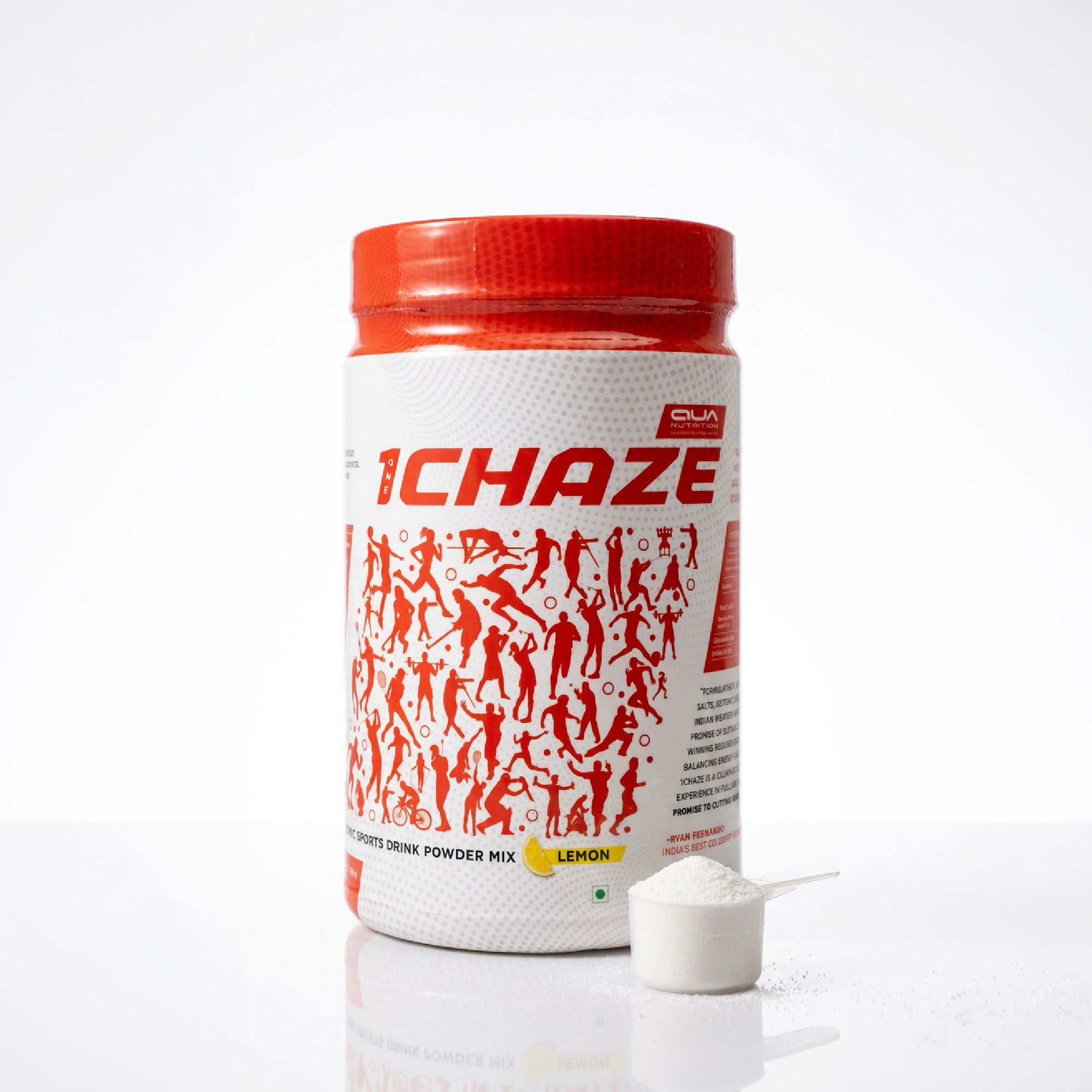
When water alone is not replacing lost electrolytes, formulation matters. 1Chaze Isotonic Sports Drink was created by Ryan Fernando. A sports nutritionist with two decades of clinical and performance experience, he holds master's degrees in food biotechnology from the University of Strathclyde and clinical biochemistry from Goa Medical College. He built 1Chaze after seeing that many hydration products were heavy on flavour, loaded with additives or poorly suited to Indian conditions.
What sets this sports energy drink powder apart:
-
A 6% isotonic solution designed to support endurance
-
Sodium and potassium in a 5:1 ratio
-
A carbohydrate blend of pharma grade dextrose, maltodextrin and fructose
-
No added preservatives and a nature identical flavour
-
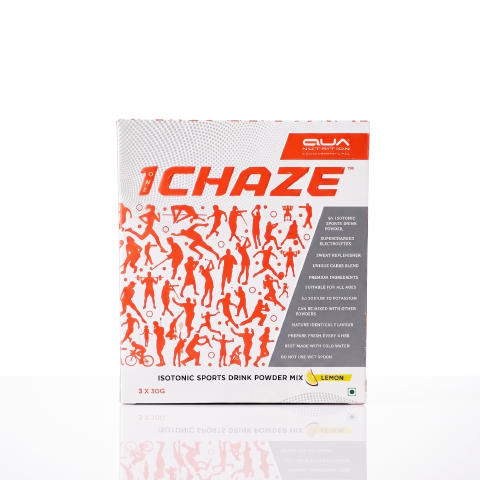
Available in traveller, 750 g, and 2 kg formats
For prolonged activity and demanding conditions, this sports drink powder can help replace fluids and electrolytes that plain water alone may not provide. 1CHAZE offers high quality collagen and nutrition supplements designed to support the overall health and well being of athletes. For more information, contact us.
FAQs
1. What are the first signs of dehydration?
Early signs include thirst, dry mouth, darker urine, headache, and tiredness. Since thirst can appear later, urine colour can also help indicate dehydration.
2. What does urine colour tell me?
Pale yellow suggests good hydration. Dark yellow urine can suggest that you need more fluid, although urine colour can also be affected by medications, supplements and certain foods.
3. Can dehydration cause muscle cramps?
Dehydration and electrolyte losses may contribute to muscle cramps in some people, but exercise-associated cramps can have several causes, including fatigue and training load.
4. Is water enough during a workout?
For moderate activity under an hour, usually yes. Longer or harder sessions, heat and humidity call for electrolytes alongside fluid.
5. What is an isotonic sports drink?
An isotonic sports drink is formulated with a carbohydrate and electrolyte concentration that is similar to the body’s fluids.
6. How should I use sports drink powder?
Mix the powder according to the pack directions. During exercise, fluid needs should be adjusted according to your sweat rate, workout duration, intensity and environmental conditions.
7. Can I use an isotonic sports drink for vomiting or diarrhea?
No. An isotonic sports drink is designed for exercise and heat related sweat loss. Illness related dehydration needs an oral rehydration solution and medical advice, especially if you cannot keep fluids down.
8. Can drinking too much water be harmful?
Drinking considerably more fluid than your body is losing can contribute to dangerously low blood sodium levels. Hydration should therefore be matched to your individual needs.
9. Does everyone need an electrolyte drink?
Not usually. People eating a balanced diet without extreme activity typically get enough electrolytes from food. Check with a doctor first if you have diabetes, high blood pressure, or heart or kidney conditions.
10. When should I seek medical care?
Get urgent help for confusion, fainting, seizures, a rapid pulse or no urination for many hours. Call your doctor if you cannot keep fluids down or diarrhea lasts 24 hours or more.