Hydration Supplements for Runners
Fluid loss during running is greater than most runners account for. Sweat rates vary, but even moderate exertion in warm conditions can result in losses significant enough to affect muscle function, cardiovascular output, and mental focus before a session ends.
Water is adequate for short, low-intensity runs. However, for sessions lasting longer than an hour—or any run in hot and humid conditions—the body requires more than water alone can provide.
Hydration supplements, particularly isotonic sports drinks, are formulated to replace fluids and electrolytes lost through sweat while supplying carbohydrates to support sustained energy and endurance performance.
Understanding Hydration Needs During Running
Sweat removes more than just water from the body. Essential electrolytes including sodium, potassium, magnesium, and calcium are also lost, and these minerals are vital for fluid balance, muscle contraction, and nerve signalling.
Hydration requirements vary depending on running duration, intensity, weather conditions, humidity, sweat rate, and body composition.
Drinking only water during long runs replaces fluid but not electrolytes. Excessive water intake without sodium replacement may dilute blood sodium levels, increasing the risk of nausea, fatigue, and reduced performance. Electrolyte sports drinks help replenish the minerals lost through sweat.
How Hydration Supplements Help Maintain Endurance
Isotonic sports drinks are formulated with a concentration similar to human blood plasma, allowing rapid absorption without causing unnecessary stomach discomfort.
This provides two key performance advantages:
- Electrolytes are absorbed quickly to support muscle function throughout longer runs.
- Carbohydrates such as dextrose, maltodextrin, and fructose provide sustained fuel as glycogen stores become depleted.
During runs lasting longer than 90 minutes, maintaining blood glucose through an isotonic sports drink helps sustain pace, delay fatigue, and improve endurance.
Hydration supplements work best when incorporated into a complete hydration strategy that includes proper hydration before, during, and after training.
Benefits of Using Hydration Supplements for Running
Proper hydration supports more than fluid replacement. Electrolytes and carbohydrates work together to improve performance, endurance, and recovery.
Cramp Reduction
- Replaces sodium and potassium lost through sweat.
- Supports normal nerve and muscle communication.
- May help reduce the likelihood of muscle cramps during prolonged running.
Cardiovascular Support
- Helps maintain blood volume during prolonged exercise.
- Supports efficient oxygen delivery to working muscles.
- Reduces cardiovascular strain caused by dehydration.
Sustained Energy Output
- Provides carbohydrates once glycogen stores begin to decline.
- Supports stable blood glucose levels.
- Helps delay fatigue during long-distance training.
Faster Post-Run Recovery
- Helps restore fluids and electrolytes after exercise.
- Supports earlier glycogen replenishment.
- May reduce post-run soreness and muscle stiffness.
Recommended Usage Guidelines
Before Your Run
Drink 400–600 ml of water during the two hours before your run. Starting well hydrated reduces the effects of sweat loss during exercise.
During Your Run
Water is generally sufficient for runs under 45 minutes at moderate intensity.
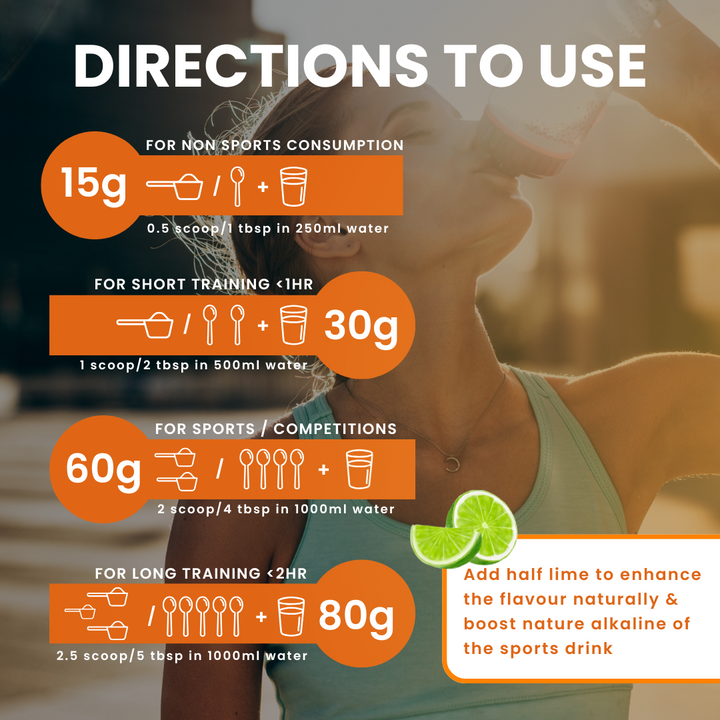
For runs exceeding one hour, or when training in warm conditions, consume approximately 150–250 ml of an isotonic sports drink every 15–20 minutes.
After Your Run
Continue replacing lost fluids using both water and an electrolyte drink. A useful hydration indicator is urine colour—pale yellow generally suggests adequate hydration.
Essential Electrolytes and Ingredients
| Ingredient |
Primary Function |
| Sodium |
Supports fluid retention and maintains blood volume. |
| Potassium |
Supports muscle contraction and nerve signalling. |
| Magnesium |
Supports energy production and muscle relaxation. |
| Calcium |
Supports muscle contraction and bone health. |
| Dextrose |
Provides rapid energy during exercise. |
| Maltodextrin & Fructose |
Provide sustained energy for longer training sessions. |
A well-formulated isotonic sports drink combines these ingredients to support rapid absorption, effective hydration, and steady energy delivery throughout exercise.
Why Runners Choose 1Chaze Hydration Supplements for Peak Performance
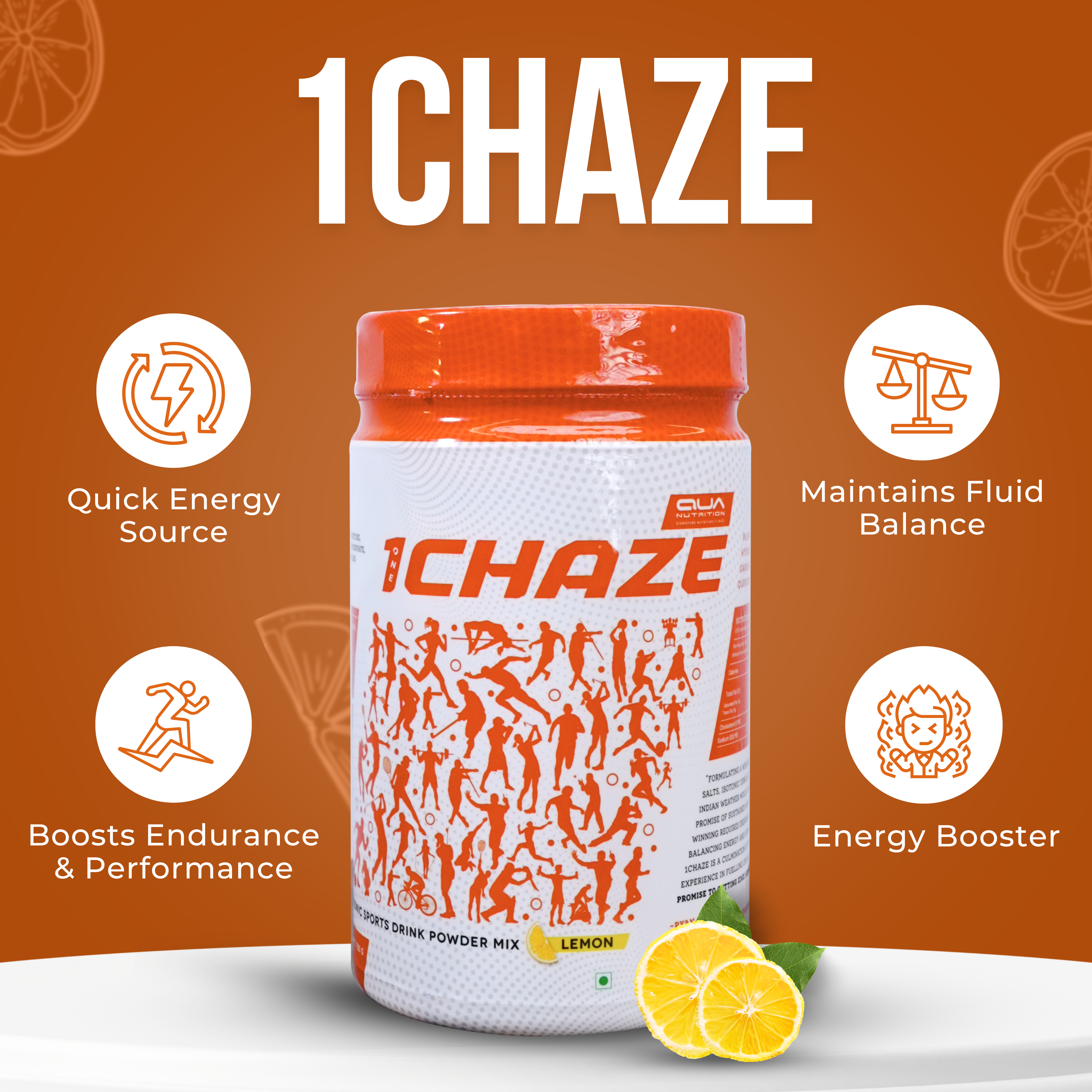
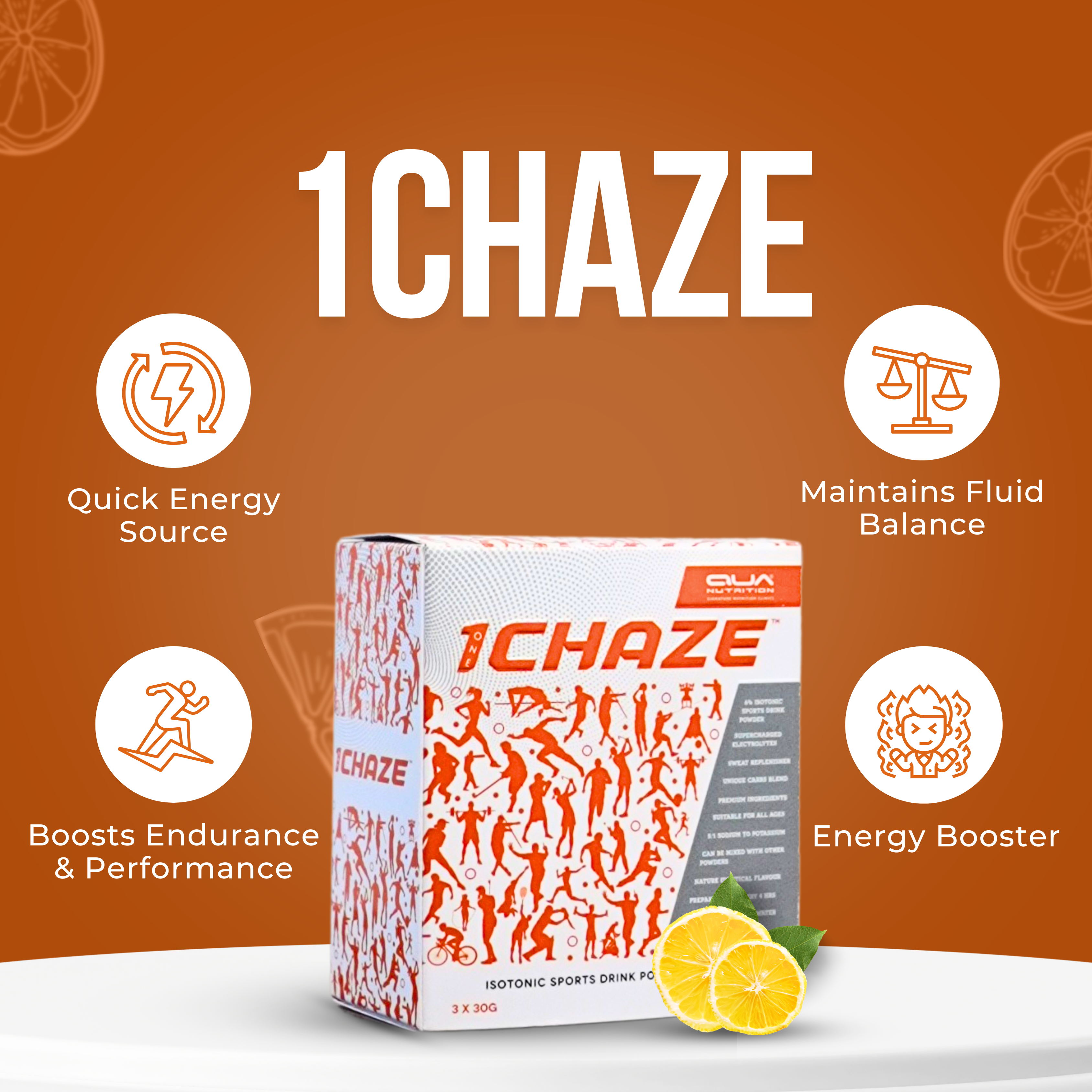
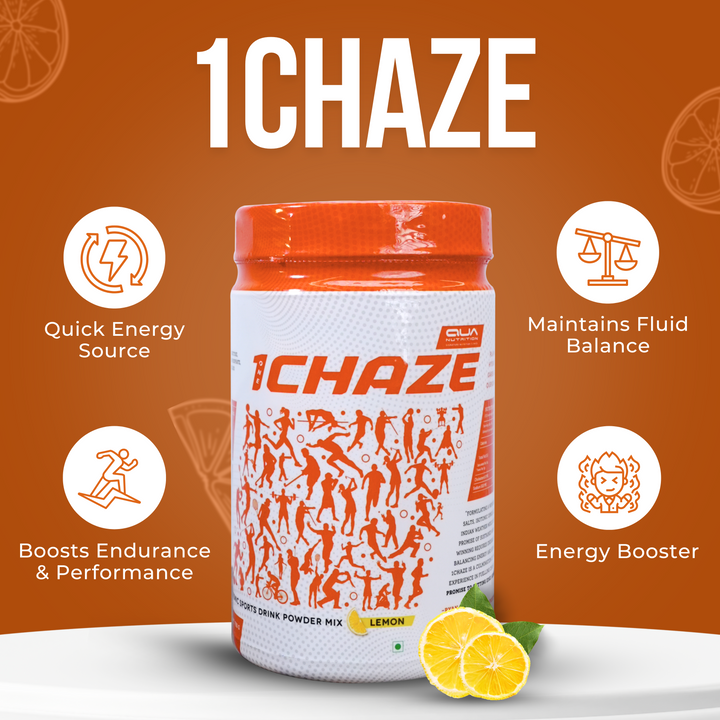
Hydration is a key component of endurance performance. Developed by Ryan Fernando, one of India's leading sports nutritionists, the 1Chaze Isotonic Sports Drink is formulated using sports nutrition science to support athletes during training and competition.
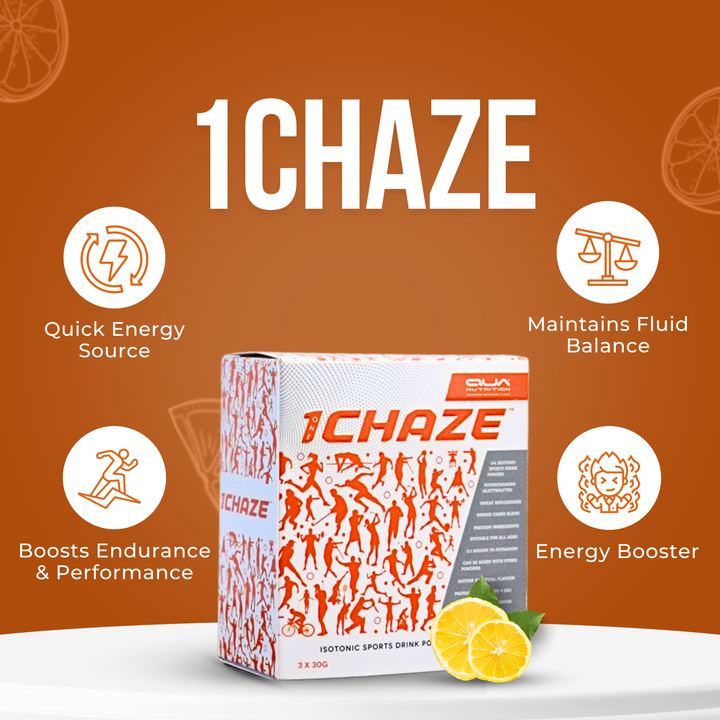
The formula features a 6% isotonic solution with a 5:1 sodium-to-potassium ratio designed to reflect electrolyte losses through sweat. It combines pharma-grade dextrose, maltodextrin, and fructose to provide both immediate and sustained energy throughout longer sessions.
Nature-identical flavours deliver a pleasant taste without an artificial aftertaste, making it easier to drink consistently during extended workouts.
Available in a convenient 2kg pack, the 1Chaze Isotonic Sports Drink is designed for runners and endurance athletes seeking reliable hydration, electrolyte replenishment, and sustained performance support.