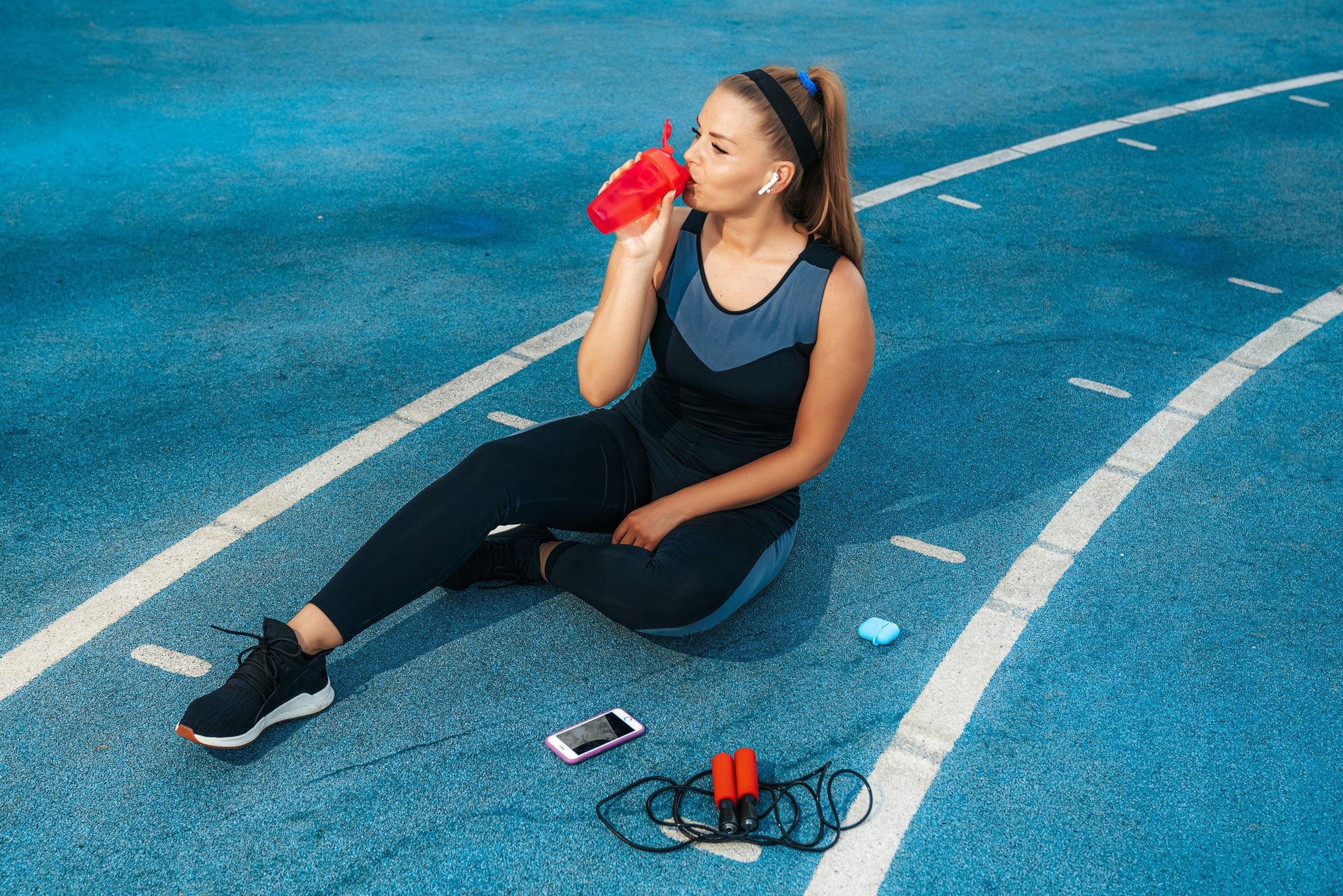
In summer, training sessions become hotter, heart rate drifts upward faster, and sweat rates climb, often reaching 1–3 liters per hour in athletes exercising in the heat. Even a 1–2% loss of body weight from fluids can impair reaction time, endurance, and mental focus, which is why athletes need more than just water when temperatures rise. Hydration drinks for athletes, especially electrolyte‑based sports drinks, are designed to replace sodium, potassium, magnesium, and chloride lost in sweat while supporting fluid absorption and, in some cases, providing quick energy.
In summer, as temperatures rise, athletes sweat heavily, often losing 1–2 liters per hour, and that sweat carries essential electrolytes like sodium, potassium, and magnesium, which must be replenished to prevent cramps, fatigue, dizziness, and heat‑related illnesses.
Why Water Isn't Enough for Hot, Long Workouts
Water is still the foundation of hydration, and for short, low‑intensity workouts under 45–60 minutes, it is usually sufficient. However, during longer or more intense activities, especially during the summer, water by itself can actually dilute the sodium level in the blood and, in some cases, not provide enough for the muscles to retain fluids.
Electrolyte drinks for athletes are helpful for three reasons:
-
They contain sodium and other electrolytes that are lost during sweating, which helps to avoid muscle cramps and hyponatremia (low sodium level in the blood).
-
They contain carbohydrates, which help to provide energy for longer than 60 minutes of exercise, thus preventing the onset of fatigue.
-
They can actually help to provide more fluid than water can, as many of the formulas are designed to help the body absorb the fluids more readily, especially during intense summer exercise.
Organizations that work with young athletes, for example, recommend structured hydration plans that include both water and, when appropriate, electrolyte drinks for sessions lasting more than an hour or in hot environments.thesportsinstitute+1
When Athletes Should Choose Electrolyte Sports Drinks
Electrolyte sports drinks are meant for performance and hydration in situations where sweat and metabolic rates are high. In summer training sessions, they come into greater use when the duration exceeds an hour, is very strenuous and is conducted in hot and humid conditions. They ensure proper levels of sodium in the blood, assist in proper hydration, and offer some much - needed carbs to delay the onset of fatigue. The best time to consume an electrolyte drink over plain water is when the body is loosing fluids and essential salts in considerable amounts.
-
Exercise lasting more than 60 minutes, especially outdoors in summer heat.
-
High sweat‑rate athletes (visible salt on skin or clothing, frequent cramps).
-
Multiple training sessions in one day with short recovery windows.
-
Sports involving heavy gear or padding (football, hockey, some team sports) that increase heat‑related sweat loss.
For shorter, lighter workouts, water with a balanced diet is usually adequate, while electrolyte drinks can become a strategic “performance‑support” tool for longer, hotter, or more demanding sessions.
Hydration Strategies for Summer‑Season Athletes
A practical summer hydration plan for athletes typically includes:
-
Pre‑exercise: Drink about 16–20 ounces of fluid 2–3 hours before training, plus 8–16 ounces 20–30 minutes before.
-
During exercise: Aim for 6–12 ounces every 20 minutes for adults, and 3–8 ounces for younger athletes, adjusting upward if sweat loss is heavy. For sessions over 60–90 minutes in summer heat, replacing some of that with electrolyte drinks helps maintain electrolyte balance.
-
Post-exercise: Weigh yourself before and after an exhausting workout. For each 1-2% body weight loss, you need to drink 1.25-1.5 times that amount of fluid, preferably containing some electrolytes as well.
Electrolyte sports drinks containing water can prove particularly beneficial to an athlete’s recovery period because they replenish fluids as well as electrolytes in an athlete’s body much faster than water.
Choose the Right Hydration Drink from 1Chaze
Some athletes like to look for sports drinks with low or no sugar, especially if they are able to meet their carbohydrate needs through other sources. Finally, sports drinks designed with the input of sports science or sports nutrition experts are more likely to provide effective results for the athlete in the heat.
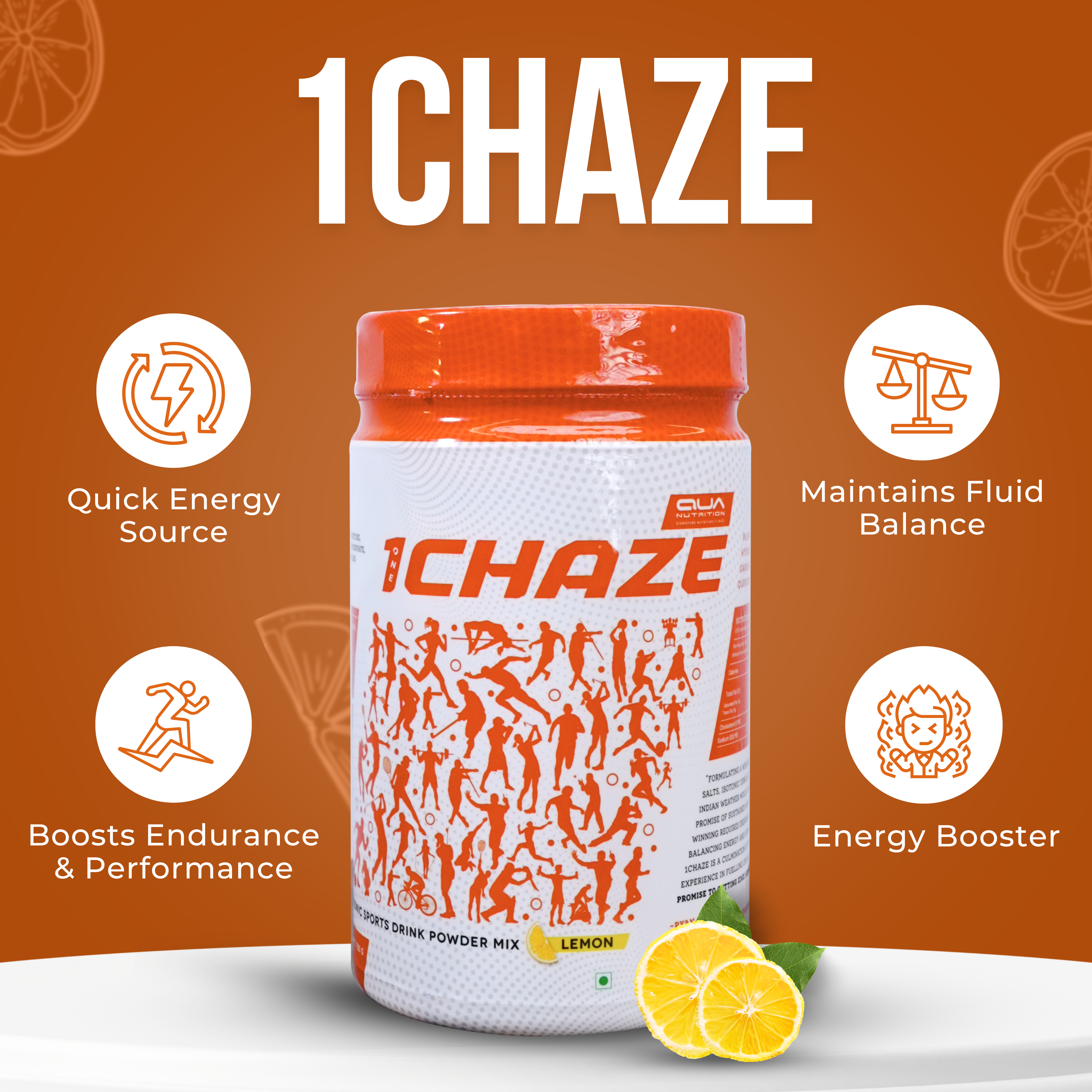
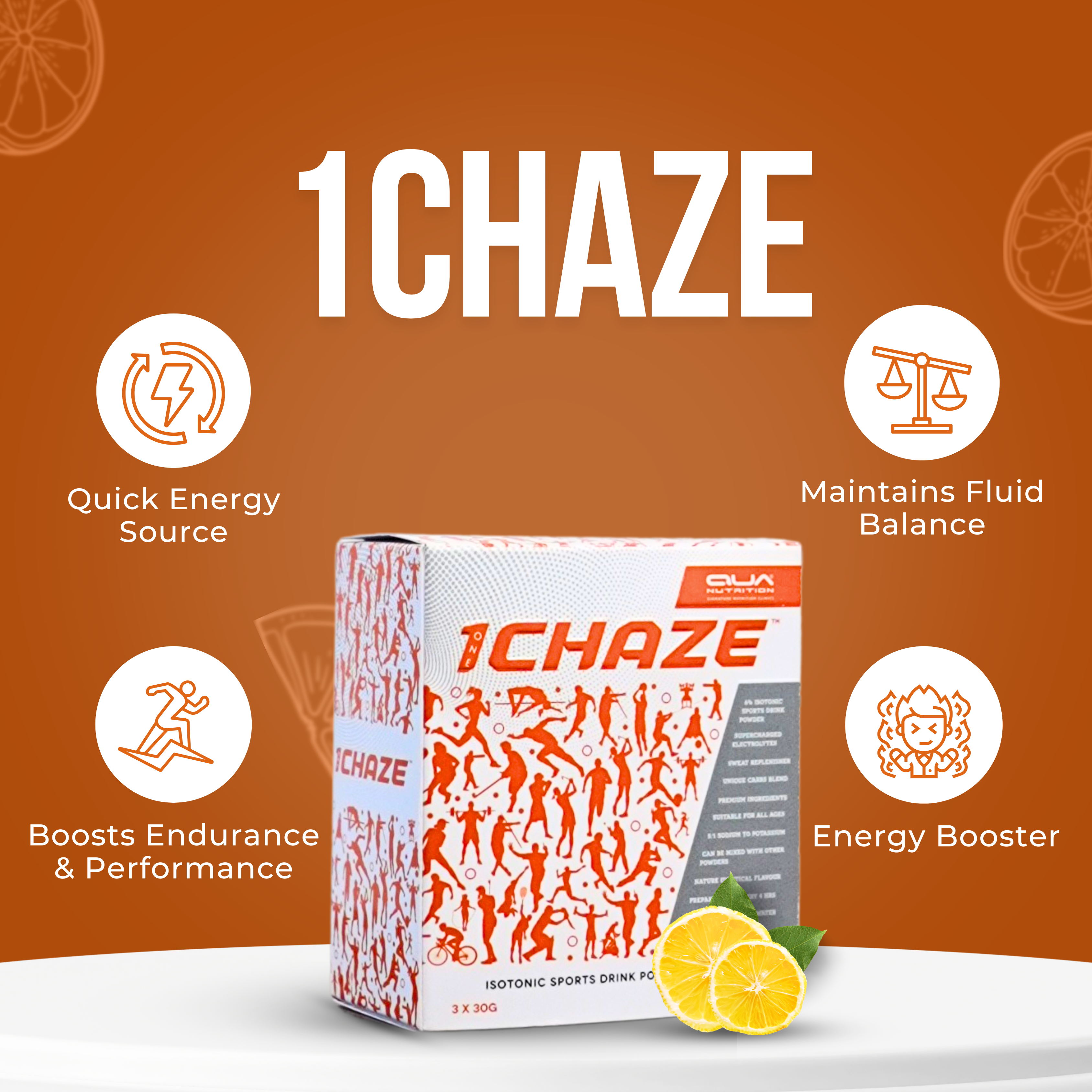
1Chaze serves as a focused hydration‑support option for athletes who sweat heavily or train long hours in summer. By balancing electrolytes, moderate carbohydrate levels, and a clean‑tasting profile, 1Chaze hydration drinks help athletes stay properly hydrated, maintain energy, and recover more effectively after intense summer workouts, making them a practical choice alongside water during prolonged or high‑intensity sessions in the heat.
FAQs
1. Are hydration drinks for athletes better than water?
For short, light workouts, water is usually enough. For longer or intense sessions in summer heat, electrolyte sports drinks can be more effective because they replace lost minerals and, in some cases, provide quick energy.
2. When should athletes drink electrolyte sports drinks?
Electrolyte drinks are most beneficial when exercising for more than 60 minutes, sweating heavily, or training in hot weather. They are especially useful for endurance sports, team sports on hot days, and multi‑session days.
3. Can young athletes use electrolyte drinks?
Yes, but in moderation and based on needs. Young athletes should still make water the primary fluid, using electrolyte drinks mainly during longer or hot‑weather training, under guidance from coaches or healthcare professionals.
4. Do electrolyte drinks help prevent cramps in summer?
Replenishing sodium and other electrolytes can reduce the risk of heat‑related cramps, especially in those who sweat heavily or train multiple hours in hot conditions.
5. How much electrolyte drink should an athlete consume per hour?
Many experts recommend 16–32 ounces of fluid per hour for adults, with a portion of that coming from electrolyte drinks if the workout is long or very sweaty. Individual needs vary by sweat rate and body size.
6. Are electrolyte sports drinks safe for everyday use?
For most healthy athletes, they are safe when used appropriately—for real‑world training or competition—not as a daily replacement for water. Overuse can add unnecessary sugar or sodium if not balanced with a diet.
7. Can dehydration affect performance even in young athletes?
Yes. Losing just 1–2% of body weight in fluids can reduce focus, endurance, and heat‑tolerance in young athletes, making targeted hydration and, when needed, electrolyte drinks important tools.
8. Should endurance athletes rely on hydration drinks for fuel?
Some electrolyte sports drinks contain carbohydrates that can help fuel longer sessions, but they should complement—not replace—solid sports nutrition. Always match drink choice to training duration and intensity.
9. How do I know if I need more electrolytes than water?
Signs include frequent muscle cramps, visible salt on skin or clothing, feeling light‑headed or fatigued despite drinking water, or training in hot conditions for long durations.
10. Can hydration drinks for athletes help with recovery?
Yes. Rehydrating with electrolyte‑containing drinks after heavy or hot‑weather training can help restore fluid balance, support kidney function, and speed recovery compared with plain water alone.