Although some people have found benefits from collagen supplements, these will only be seen if used consistently within an otherwise healthy lifestyle. That’s the message many nutrition scientists and skin specialists are highlighting in 2026.
Regular collagen supplementation can help maintain skin moisture, elasticity, and joint health in certain people, a major 2025 systematic review and meta-analysis in The American Journal of Medicine indicates. In a separate 2025 randomized controlled trial, researchers followed participants for 12 weeks after collagen peptide supplementation, and the structural improvements in dermal density remained after the supplementation stopped.
The issue is that millions of people are taking collagen incorrectly, and then they wonder why they aren't getting results.
The Mistake That Can Limit Your Collagen Results
Most people get it wrong by thinking of collagen as a delivery system. They believe that collagen from a supplement goes directly to the skin or joints. It doesn't work that way.
Collagen is digested into amino acids and peptides when you eat it. Your body then determines where to deposit those building blocks, and you never know if it will deposit them in the place you want them most. The supplement only works when your body has all the building blocks it needs to make its own collagen. That leads us to the one thing that people overlook when supplementing.
You cannot build collagen without vitamin C
Vitamin C is an essential coenzyme for collagen formation. It is essential for your body to activate the enzymes that help to strengthen and stabilize your collagen fibres. Even the best collagen supplements may not work as well if your body doesn’t get enough vitamin C. Imagine the collagen peptides as bricks and vitamin C as the master construction team. No crew, no building.
Increased vitamin C consumption may help produce collagen, but the required amount can depend on diet, health conditions, and physicians' recommendations. The effects of vitamin C are also bidirectional, as it is a potent antioxidant that prevents damage from UV rays and environmental stressors to the new collagen.
Choose the Right Form of Collagen
Not all collagen is the same, and the form you take will impact how much your body absorbs and utilizes.
That's why you shouldn't choose a collagen supplement based on the front label or flavor. It has to be a form your body can break down and use appropriately. Type, source and how it is processed, all key.
Hydrolyzed collagen peptides are often preferred because they are easier to absorb, while marine collagen powder is commonly chosen by people focused on skin, hair, nails, and active wellness.
So, before buying, check what kind of collagen you’re actually taking.
Hydrolyzed collagen peptide
The gold standard is hydrolyzed collagen peptides. Collagen is a large complex protein that has a hard time getting absorbed by the gut.
Hydrolyzed collagen is already broken down into smaller peptides, which enter the bloodstream much more easily than the larger peptides. If you are taking a supplement that is not hydrolyzed, you're already behind the curve.
Marine collagen powder
Marine collagen powder is helpful for skin health goals. Made from fish skin and scales, it is mostly type I collagen, the most prevalent collagen in human skin. It is also smaller than bovine and porcine collagen, which means higher bioavailability.
A 2026 meta-analysis found significant effects on skin hydration, elasticity, and wrinkle depth in separate RCTs for hydrolyzed marine collagen.
Timing and Habits That Maximize Collagen Absorption
Choosing the right form is vital, but timing is just as important. These three habits make a significant difference.
Collagen works best when it becomes part of a daily routine instead of something you take only when you remember. The timing doesn’t need to feel complicated, but it should feel consistent.
Taking it before breakfast, adding it to your morning drink, or keeping it near your coffee machine can make the habit easier.
When you use collagen regularly and pair it with the right nutrition, your body gets a better chance to use those peptides effectively.
Take it on an empty stomach
Taking collagen 15 to 30 minutes before your first meal helps collagen to flow quickly into the small intestine and not compete with other proteins for absorption. Consuming it with a large protein meal could make your body see it as just another generic protein source, therefore decreasing its specific benefits.
Take it every single day without breaks
The production of collagen is an ongoing process. Collagen peptides are used by your body for repair and maintenance every single day, and if you don't get them regularly, then you won't get regular results. Typically, you’ll see significant improvements in skin and joint health after three to six months of persistent daily use.
Make it a morning routine
Place collagen close to your coffee machine or water bottle. Marine collagen powder can easily be incorporated into hot or cold beverages without changing the flavour, so it's easy to add to your daily routine.
What to Avoid
Collagen supplements can make your lifestyle better, but they function best when used with the proper guidelines. They’re not a miraculous product, and they don’t substitute healthy food, skincare basics, exercise, sleep or medical guidance.
Think of collagen as one useful part of your wellness routine. Your body still needs enough protein, vitamin C, hydration, sun protection, and daily recovery habits to support natural collagen production.
A few simple mistakes can limit the results you expect from collagen. So, before you judge whether it’s working or not, make sure you’re not making these common errors in your daily routine.
-
Don’t focus on using only collagen
Collagen should always be taken in conjunction with a high protein intake, vitamin C, sunscreen and healthy everyday habits.
It can be part of your regimen, but it shouldn’t be the whole responsibility for your skin, joints or healing. Your body still requires balanced meals, enough rest, hydration and nutrients that support natural collagen formation.
Think of collagen as one part of the plan, not the full plan.
When you combine it with better food choices and simple lifestyle habits, you give your body stronger support from every side.
-
Don’t skip proven skincare basics
Retinoids, vitamin C serums and daily sunscreen provide greater direct protection to existing collagen.
Collagen supplements might function from the inside out, but your skin is still exposed to the sun, pollution, dehydration and regular environmental stress. And that’s where topical care also counts.
Sunscreen helps reduce collagen breakdown caused by UV damage, while ingredients like retinoids and vitamin C are commonly used in skincare routines for skin support.
So don’t replace skincare with supplements. Use both wisely, because they support your skin in different ways.
-
Don’t choose unclear brands
Choose products with hydrolyzed peptides, a collagen source, quality standards and proven manufacturing procedures.
A trustworthy collagen supplement will inform you what you’re taking, where it’s sourced and how it’s created. If the label is unclear or the claims sound too big to be true, that’s a sign to be careful.
You don’t need dramatic promises. You need clear information.
Make sure you have a good source, easy-to-understand ingredient lists, and manufacturing standards that make the product seem reliable before adding it to your daily routine.
-
Don’t expect overnight results
Collagen needs consistency, and results may take weeks or months, depending on your body and routine.
This is where many get discouraged. They take collagen for a few days, skip a few doses and then think it doesn’t work.
But collagen works gradually with your body’s natural repair and maintenance process. Your age, diet, sleep, activity level, and overall health can all affect how long it takes.
So give it time. Do it every day, not just as a fast fix
-
Don’t treat it like medical care
Collagen is a supplement, not a replacement for dermatological treatment or medical advice.
It’s an excellent addition to your wellness routine, but you shouldn’t use it to treat any major skin, joint, bone, or health issues without consulting a doctor.
If you have ongoing discomfort, allergies or medical issues or take frequent medication, consult a healthcare expert before you begin. This is particularly true with marine collagen if you have a seafood allergy.
Supplements can be helpful, but they work best when used safely and realistically.
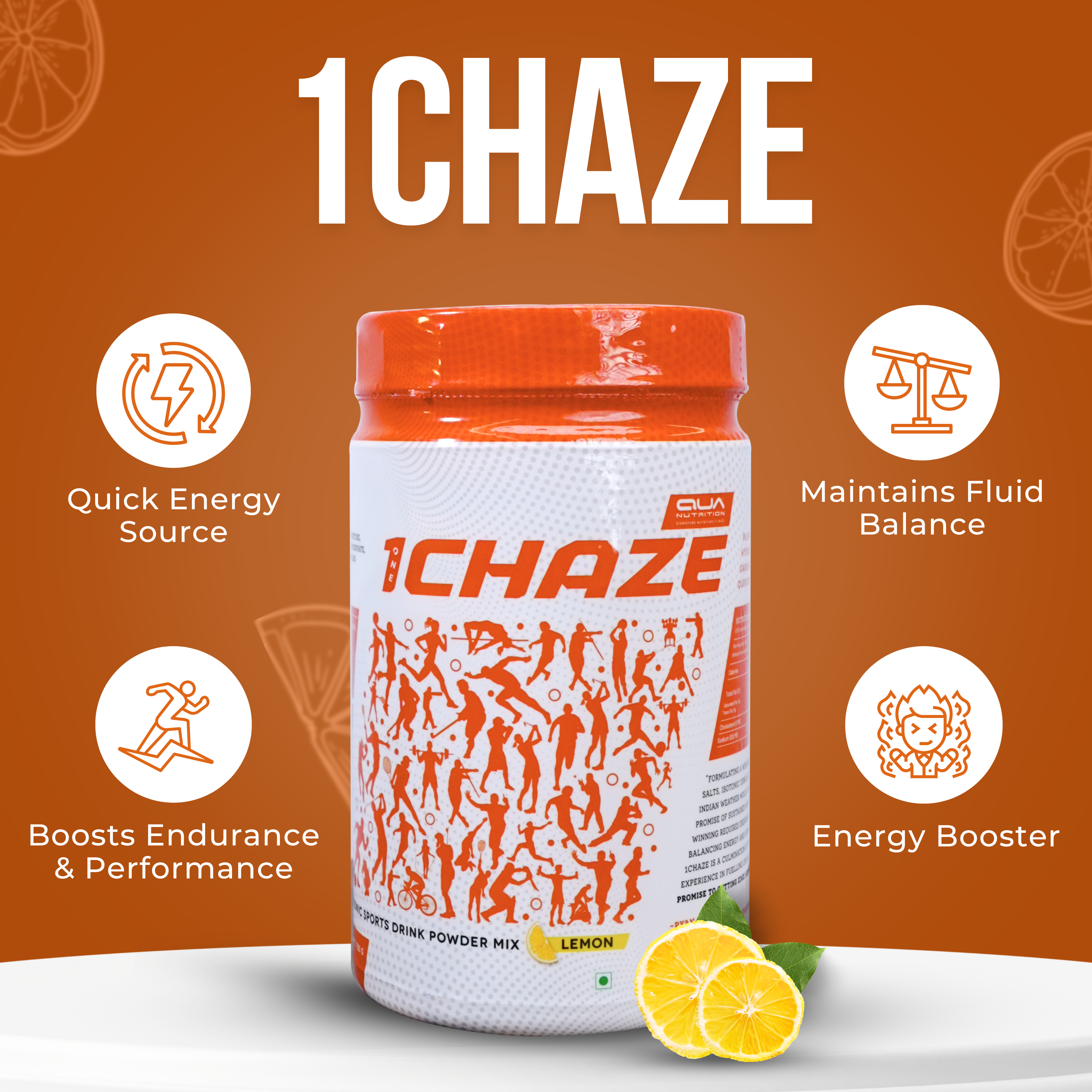
Pick the Best Collagen Supplements for Long-Term Wellness from 1Chaze
Collagen isn’t just about skin. If you train, run, lift, or stay active through the day, your joints and connective tissues take more stress than you may realize. That’s where marine collagen powder can become a useful part of your daily routine.
The key is to keep it simple and consistent. Pick a collagen supplement that’s easy to take, clearly sourced, and made with quality ingredients. 1Chaze marine collagen powder gives you 10 g of marine collagen per serving, so you can mix it into your morning drink, smoothie, or post-workout shake without changing your whole routine. Don’t expect overnight changes. Like any supplement, collagen works better when you pair it with good food, enough rest, hydration, and realistic expectations.
Disclaimer: Consult a healthcare professional or dermatologist before adding supplements to your routine, especially if you have existing health conditions.
FAQs
1. Do collagen supplements actually work?
Honestly, yes, but only if you are taking them the right way. When you choose the right form, stay consistent, and pair it with vitamin C, research suggests collagen can genuinely support skin hydration, elasticity, and joint comfort over time.
2. What is the difference between marine collagen and bovine collagen?
Think of it this way: Marine collagen is your go-to if your main goal is better skin. It comes from fish, absorbs faster, and works more directly on skin health. Bovine collagen covers more ground, supporting both skin and joints. Most people chasing a skin glow lean toward marine collagen powder.
3. When is the best time to take collagen supplements?
First thing in the morning, before you eat anything. Taking it 15 to 30 minutes before breakfast gives it a clear run through your gut without competing with other proteins. A lot of people mix it into warm water or juice and make it part of their morning ritual.
4. How long does it take to see results from collagen supplements?
Give it time, that is the honest answer. You might notice your skin feeling a little more hydrated around the four to six week mark. But for real, visible changes in elasticity and joint comfort, you are looking at three to six months of showing up every single day.
5. Can I take collagen supplements with food?
You can, but you are likely leaving results on the table. When your body is busy digesting a full meal, it tends to treat collagen as just another protein rather than using it for repair and synthesis. An empty stomach gives it the best chance to do its job.
6. Is marine collagen powder safe for daily use?
For most healthy adults, yes, it is safe, clean, and easy on the stomach. The one thing to keep in mind is that it comes from fish, so anyone with a seafood allergy should avoid it. If you have any existing health conditions, a quick check with your doctor before starting is always a smart move.
7. Does collagen help with joint pain and recovery?
It can, especially if you are active. Collagen peptides may help support the cartilage that cushions your joints and ease the discomfort that comes with regular training. It is not a cure, but many athletes use it as a steady part of their recovery routine for good reason.
8. Why do some people see no results from collagen supplements?
Usually, it comes down to one of four things: skipping days, using a poorly absorbed form, not getting enough vitamin C, or expecting results in two weeks. Collagen is a long game. The people who see real changes are the ones who treat it like a daily non-negotiable, not an occasional addition.
9. What should I look for when buying the best collagen supplements?
Look for the word hydrolyzed on the label, which tells you the collagen has been broken down for better absorption. Beyond that, check where the collagen comes from, make sure the brand follows GMP manufacturing standards, and look for third-party testing. If a brand is vague about its ingredients, that tells you something, too.
10. Can men take marine collagen powder too?
Absolutely. Collagen loss with age is not a women-only problem; men lose it too, and it shows up in joints, skin, and recovery time. Marine collagen powder works just as well for men who train hard, want to stay mobile, or simply want to take better care of their health as they get older.