Sports electrolyte drinks have become popular in the athletic world, and they are being advertised as crucial to optimal performance, hydration, and recovery. However, parents often wonder if the intake of these beverages is safe, necessary, or harmful. In the current scenario where there is an increased awareness about sports drinks among athletes, it has become crucial for parents to know more about their use, the associated benefits, and possible risks.
The following guide provides detailed knowledge regarding electrolyte sports drinks and their effects on adolescents.
What are Electrolyte Sports Drinks?
Electrolyte sports drinks are beverages that contain water and electrolytes, including sodium, potassium, and magnesium, and carbohydrates, which are sugars. These sports drinks are meant to help in replenishing water loss from sweating, balancing the electrolytes, and providing immediate energy while performing physically intense activities. The drinks are especially suitable for people who participate in long training and competing events.
Why Teenagers Reach for Sports Drinks?
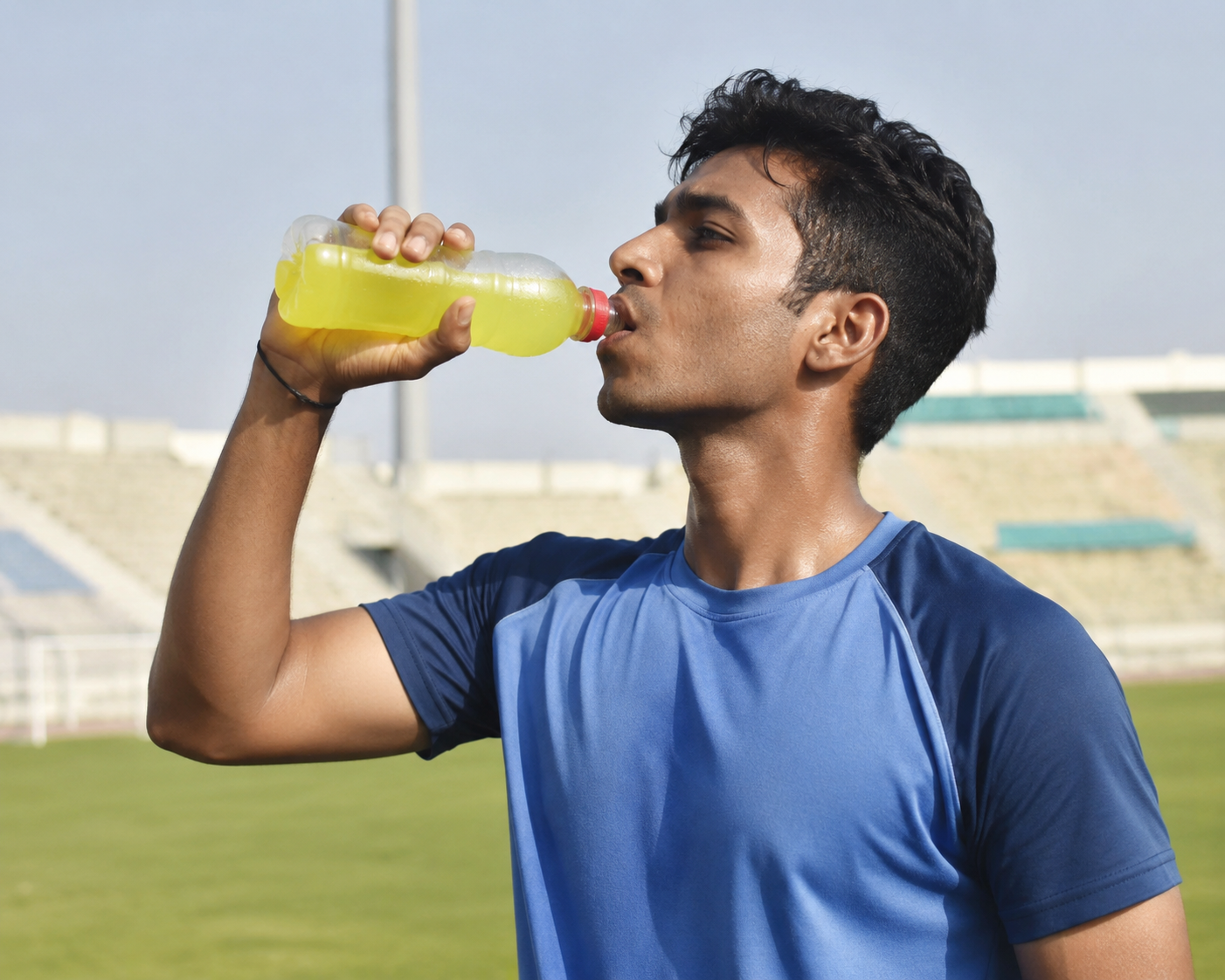
Most teenagers will engage in sports where they have to do vigorous exercise. When involved in sports like soccer, basketball, swimming, or long-distance running, hydration is important. Sports drinks will aid teenagers to replace their electrolyte balance while boosting energy levels and preventing dehydration fatigue. Nevertheless, when involved in low-intensity exercise or training, plain water is still the best choice.
Benefits of Electrolyte Sports Drinks for Teenagers
Although the following advantages show the positive impact that electrolyte sports drinks can have on teenage athletes, it is also necessary that parents get to know about the possible threats of these drinks.
-
Hydration Assistance - The electrolytes found in sports drinks ensure quick replenishment of fluids during games or workouts to keep the teenagers hydrated.
-
Balance Of Electrolytes - The electrolytes (potassium and sodium) present in the sports drinks ensure efficient muscular movements and prevent cramping.
-
Energy Boost - The carbohydrates in the sports drink serve as a source of energy for an extended period of time.
-
Convenience - These drinks come in portable bottles, making them convenient to drink while participating in various sports events.
Potential Health And Lifestyle Risks For Teenagers
Though there are many advantages to using electrolyte sports drinks, some disadvantages must also be considered by parents.
-
High Levels Of Sugar - Electrolyte sports drinks generally have around 10 to 20 grams of sugar per drink, leading to weight gain and other health problems due to consumption in excess amounts.
-
Extra Calories - Teenagers who are not involved in any physical activity do not require any extra calories, resulting in excessive weight gain.
-
Over-Consumption - Most marketing strategies target teenagers and convince them to consume electrolyte sports drinks regularly for no reason at all.
-
Dental Damage - High levels of acid and sugar in electrolyte sports drinks gradually wear away the tooth's enamel, thus causing tooth decay.
Safe Consumption Guidelines for Teenagers
The following tips will help parents encourage responsible consumption of electrolyte sports beverages.
-
Sports drinks must be consumed only when engaging in intense workouts and not during mild activities.
-
They should not be used as a regular beverage or replacement of water.
-
Parents need to educate teens on the difference between sports beverages and energy drinks since energy drinks often contain caffeine and stimulants that are unsafe for adolescents.
-
Consumption of sports drinks needs to be accompanied by a proper diet.
Considering 1Chaze Sports Drinks
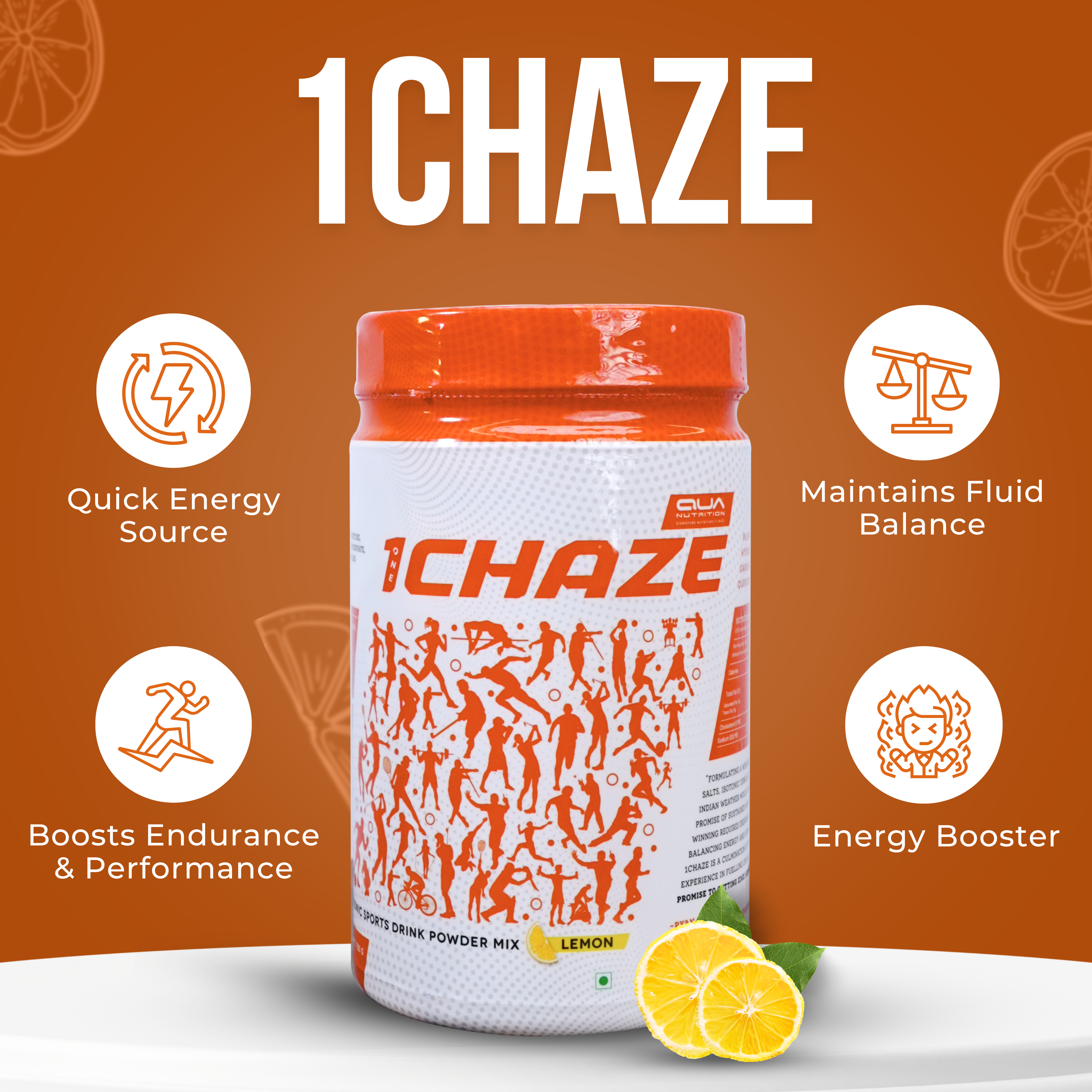
Of the various choices available, 1Chaze sports drinks assist in keeping the athletes hydrated and maintain their electrolyte balance. These drinks help to restore fluid balance and electrolytes and also give energy to the athlete during strenuous exercise. When used sensibly, 1Chaze sports drinks may be quite helpful for teen athletes participating in tough sports. However, like other sports drinks for teenagers, 1Chaze is not meant to replace water under any circumstances.
Conclusion
Electrolyte sports drinks can prove to be beneficial for teens who are engaged in vigorous sporting activities. The electrolytes in the drinks will ensure that their bodies are sufficiently hydrated and receive proper nourishment to function well. It must be emphasised that electrolyte sports drinks are not required for daily hydration and that parents should be mindful of the risks associated with sugar, calories and dental health.
It should be understood that sports drinks are situational, rather than habitual. Water and good nutrition continue to form the basis of hydration for most teens. If used sensibly, reliable sports drinks like 1Chaze can be instrumental in helping young athletes keep up with their rigorous sports routines. Proper guidance by parents in using products like 1Chaze sports drinks would benefit teens in the long run.
FAQs
What is an electrolyte sports drink?
An electrolyte sports drink is one that contains electrolytes as well as carbohydrates meant to help with hydration and provide energy while exercising.
Is it necessary for teenagers to consume sports drinks?
Sports drinks are not necessary unless the teenager is engaged in intensive exercise.
Is 1Chaze safe for everyday use?
1Chaze is not advised for everyday use; it should be used only during exercising.
Do sports drinks make one gain weight?
It’s possible that sports drinks make one gain weight if there is no adequate level of exercising along with the consumption of those drinks.
Can Sports Drinks be a substitute for water?
Sports drinks should never be a substitute for water. Water should remain the primary source of hydration for teenagers.
Are Sports Drinks better than Energy Drinks?
Sports drinks are better than energy drinks for teenagers since the former provide electrolytes, whereas the latter has caffeine in them, which makes them unsuitable for teenagers.
Do sports drinks contribute to athletic performance?
While sports drinks may assist endurance in prolonged activities, they do not help boost performance in short activities.
At what age can teenagers use sports drinks?
Teenagers can safely take sports drinks at the age of 13 years, though such consumption should only occur during strenuous sporting activities.
Do sports drinks affect oral health?
Sports drinks contain high amounts of sugar and acid that may cause dental cavities and enamel loss.
What is the role of parents in monitoring sports drinks?
Parents are supposed to limit the consumption of sports drinks to training periods and check out the label for sugar content.